Japan in Pink: Complete Cherry Blossom Guide
How to Experience Hanami Like a Local
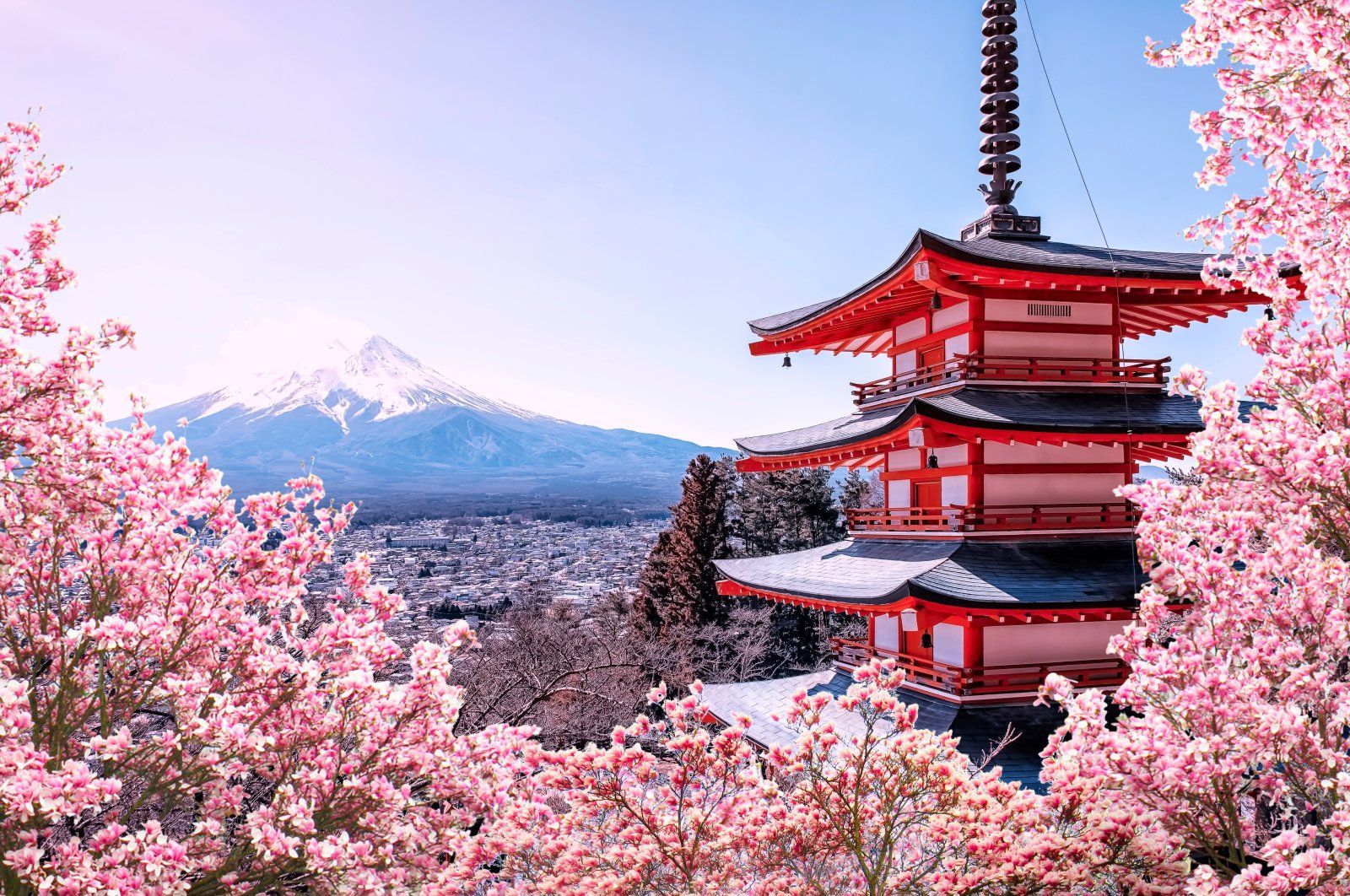
Every spring, Japan transforms into a landscape washed in soft pink. Cherry blossom season—known locally as sakura—is not just a beautiful time to visit. It is one of the most culturally significant moments of the year. If you’re planning a trip around this iconic phenomenon, here is what you need to know—clearly and practically.
When Does Cherry Blossom Season Happen?
Cherry blossom season does not occur simultaneously across Japan. The bloom moves northward like a wave.
Okinawa: Late January to February
Tokyo & Kyoto: Late March to early April (most popular window)
Northern regions including Hokkaido: Late April into May
Peak bloom (called mankai) typically lasts only 7–14 days. Weather can accelerate or delay it. Timing matters.
What Is Hanami?
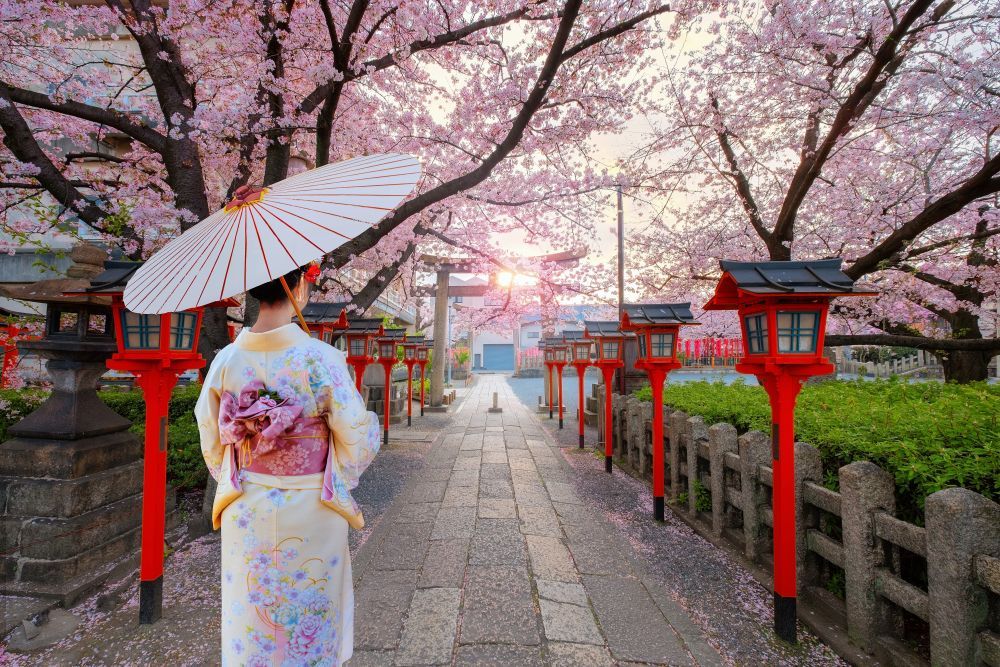
Hanami literally means “flower viewing,” but in reality, it is a social ritual.
During sakura season, locals:
- Reserve picnic spots under the trees
- Bring food and drinks (often bento boxes and sake)
- Gather with friends, family, or coworkers
- Celebrate both during the day and at night (yozakura, illuminated blossoms)
It’s not passive sightseeing. It’s participation. 🌸
Why Sakura Matters in Japanese Culture
Cherry blossoms symbolize impermanence. Their short life span reflects the Buddhist concept of transience—the beauty of something that does not last.
Historically, hanami dates back over a thousand years to Japan’s Heian period. It is deeply embedded in both Shinto belief and classical Japanese aesthetics.
Sakura is not just seasonal—it is philosophical.
Best Places to See Cherry Blossoms in Japan
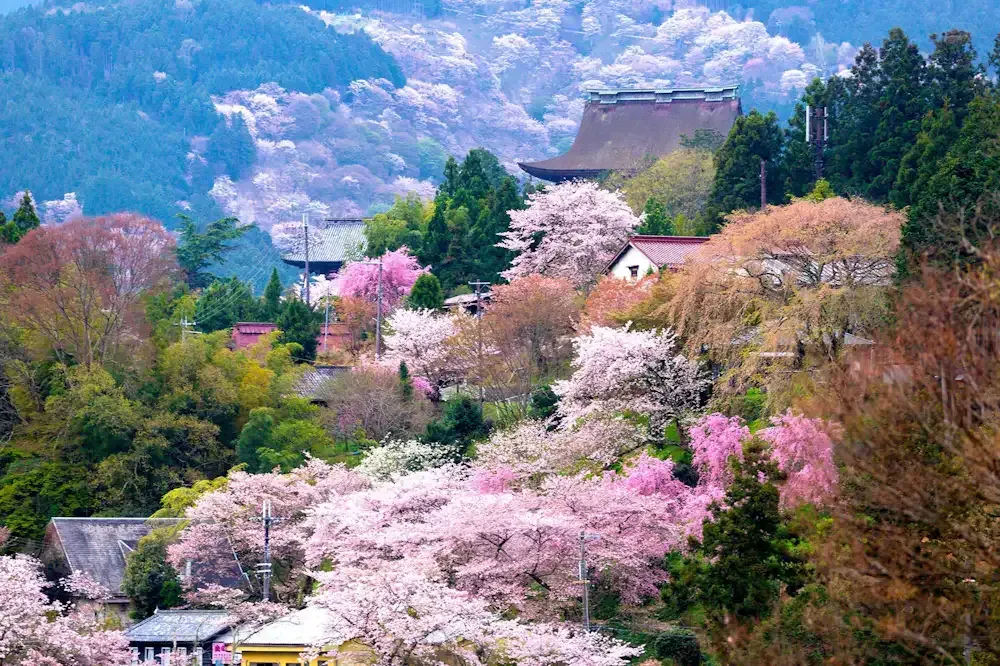
1. Mount Yoshino (Nara)
Mount Yoshino in Nara is one of Japan’s most legendary sakura destinations, with over 30,000 trees layered across mountain slopes. Visually dramatic. Historically import
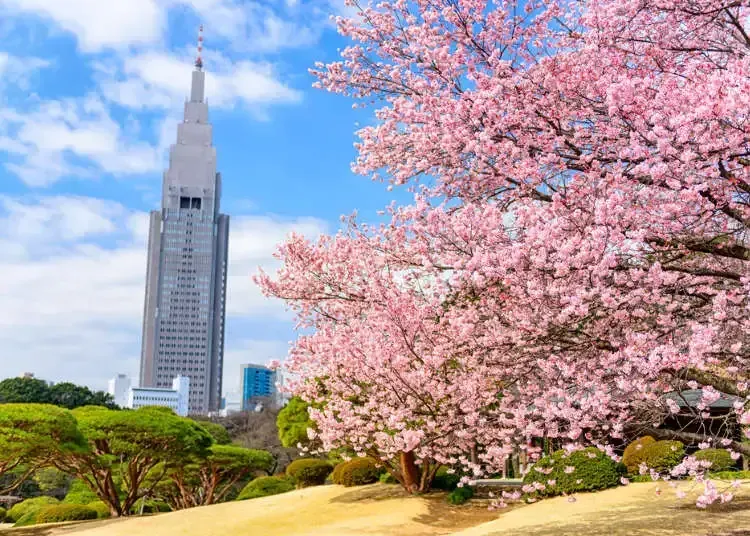
2. Shinjuku Gyoen (Tokyo)
Shinjuku Gyoen offers a curated, accessible experience in central Tokyo. Multiple cherry varieties bloom at slightly different times, extending the viewing window.
Efficient and photogenic.
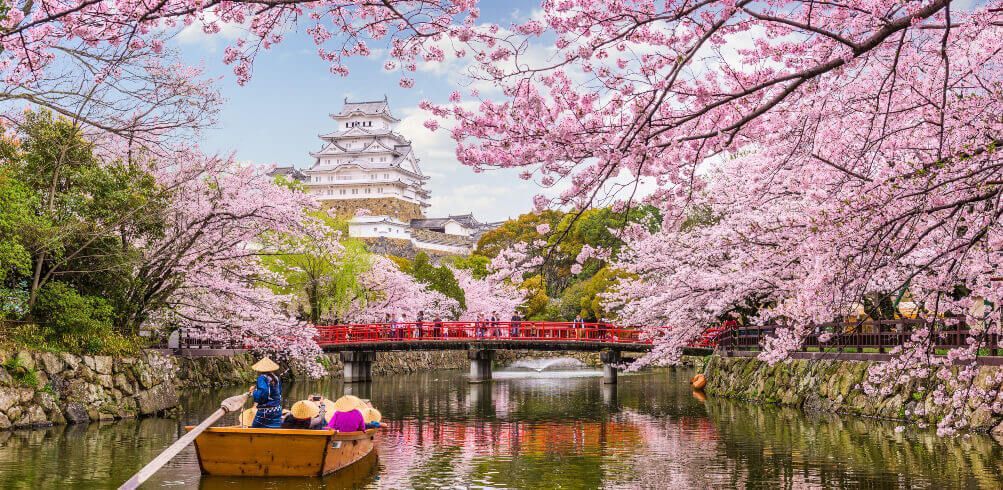
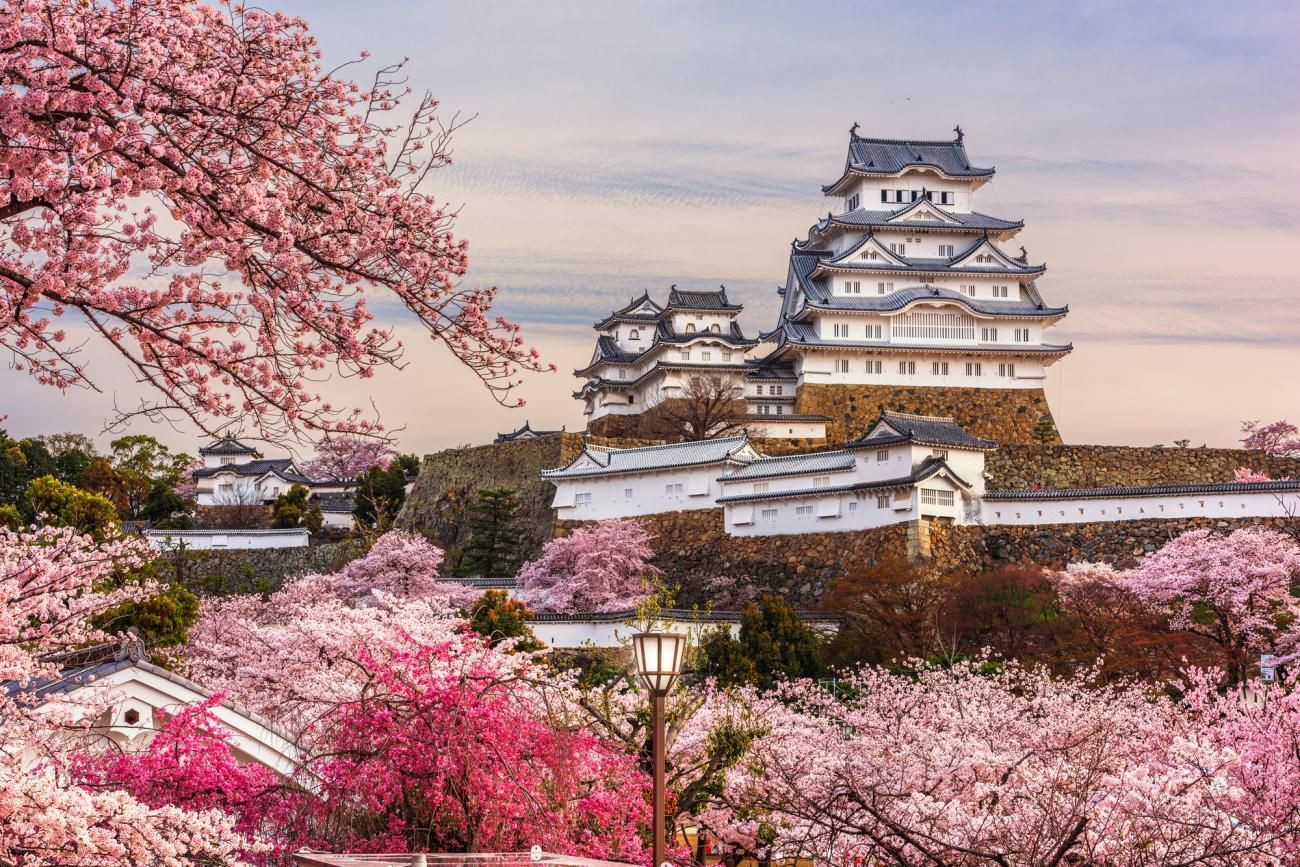
3. Himeji Castle (Hyogo)
Himeji Castle in
Hyogo combines white castle architecture with soft pink blossoms. High aesthetic value. Classic postcard setting.
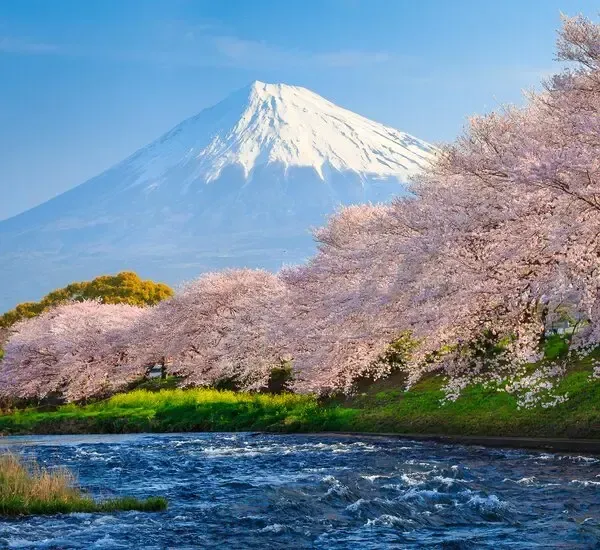
4. Fuji Five Lakes Region
The Fuji Five Lakes area offers cherry blossoms framed by Mount Fuji. Clean, cinematic landscapes.ts and secure logistics early. Done correctly, sakura season is not just beautiful—it is transformative. 🌸
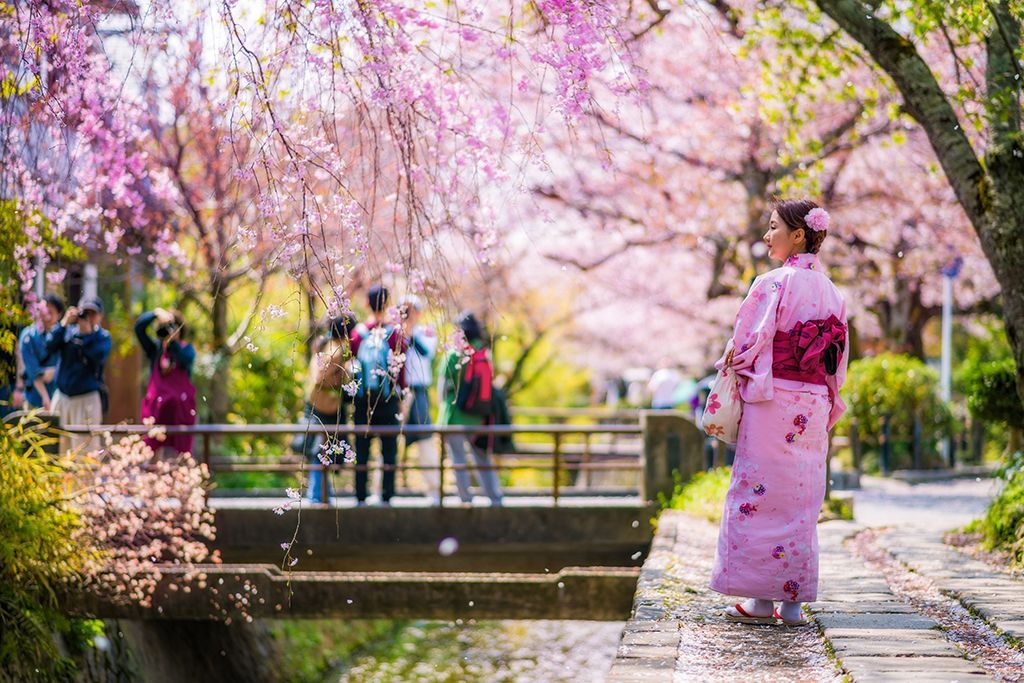
5. Philosopher’s Path (Kyoto)
The Philosopher’s Path is a canal-lined pedestrian path covered in blossoms. Walkable. Atmospheric. Refined.
6. Hirosaki Castle (Aomori)
Hirosaki Castle in Aomori is famous for dramatic nighttime illuminations and petal-covered moats. Northern Japan at its finest.
Practical Travel Tips
• Book hotels early. Sakura season is peak travel.
• Track official bloom forecasts (they change annually).
• Arrive early in the morning for fewer crowds.
• Consider slightly less-famous cities for a calmer experience.
• Plan flexibility into your itinerary if possible.
Precision planning improves your chances significantly.
Sakura Beyond the Trees
During this season, Japan goes full thematic:
- Sakura-flavored drinks at cafés
- Limited-edition snacks
- Seasonal sweets and desserts
- Decorative packaging across brands
It becomes a nationwide aesthetic shift.
Cherry blossom season is not simply about flowers. It is about timing, atmosphere, and cultural immersion. The experience is brief—intentionally so. That is precisely why it is powerful.
If Japan in spring is on your radar, build your itinerary around bloom forecasts and secure logistics early. Done correctly, sakura season is not just beautiful—it is transformative. 🌸✈️