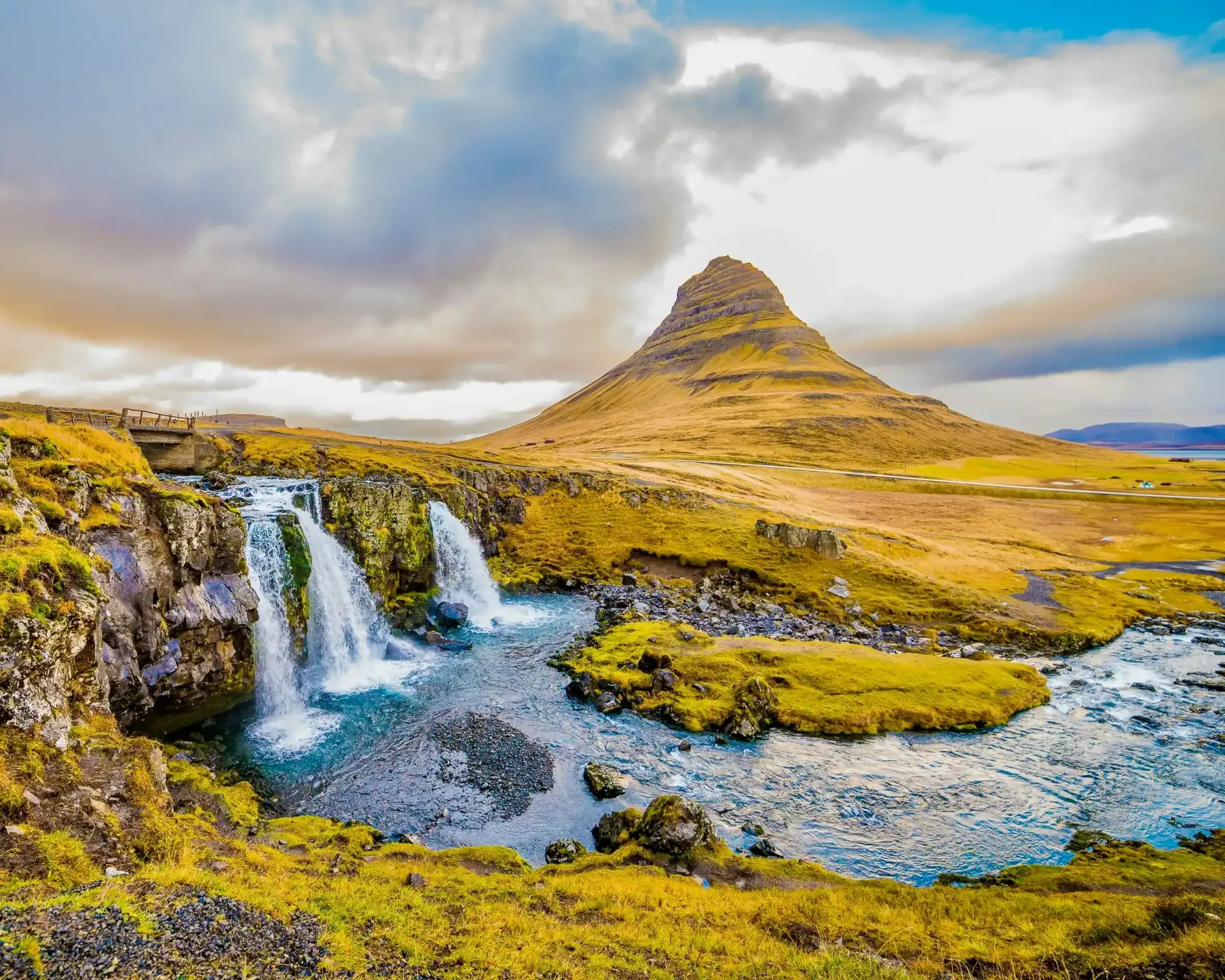
Insider's Guide to the Galápagos Islands
Visiting the Galápagos Islands feels less like a vacation and more like observing a living laboratory
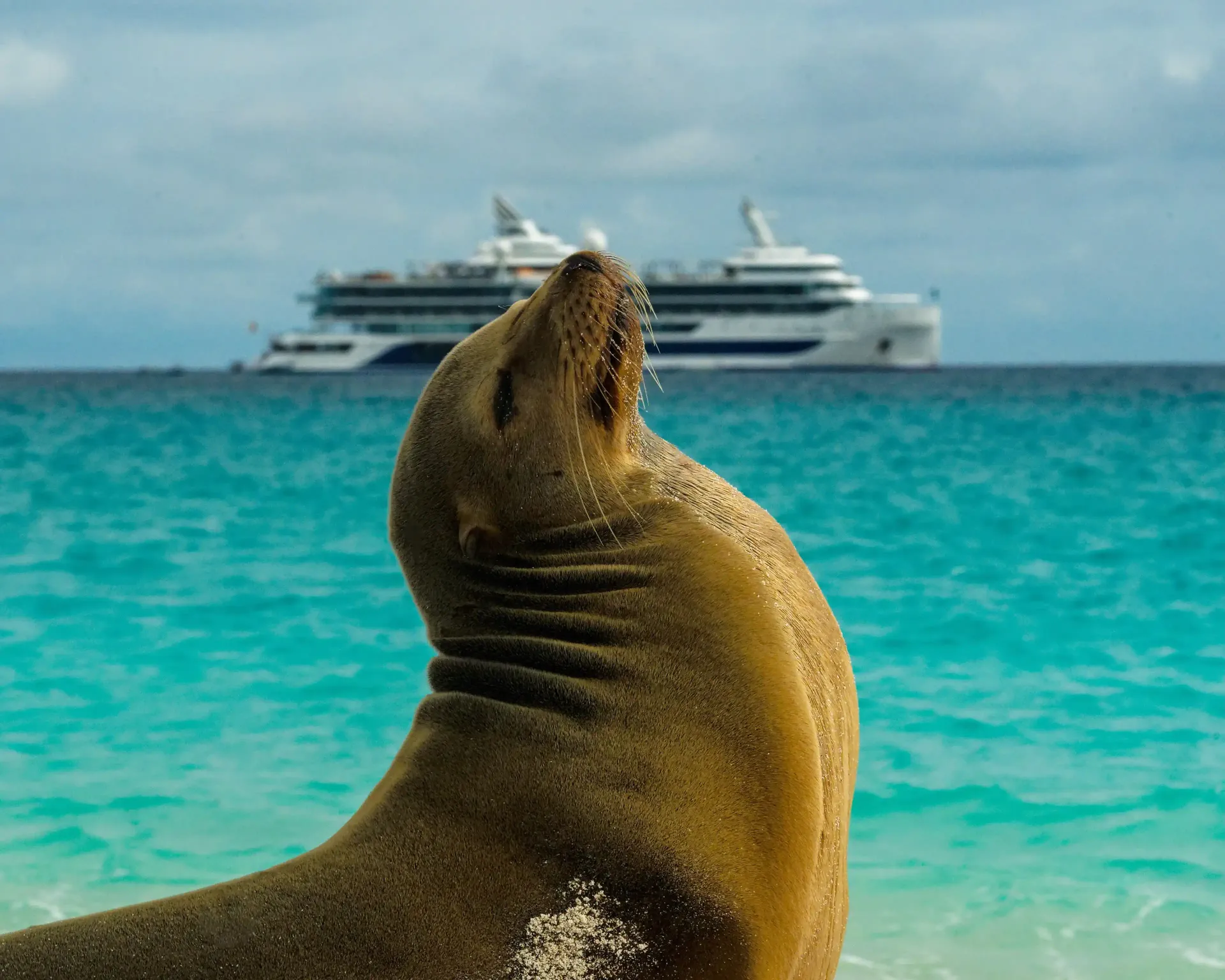
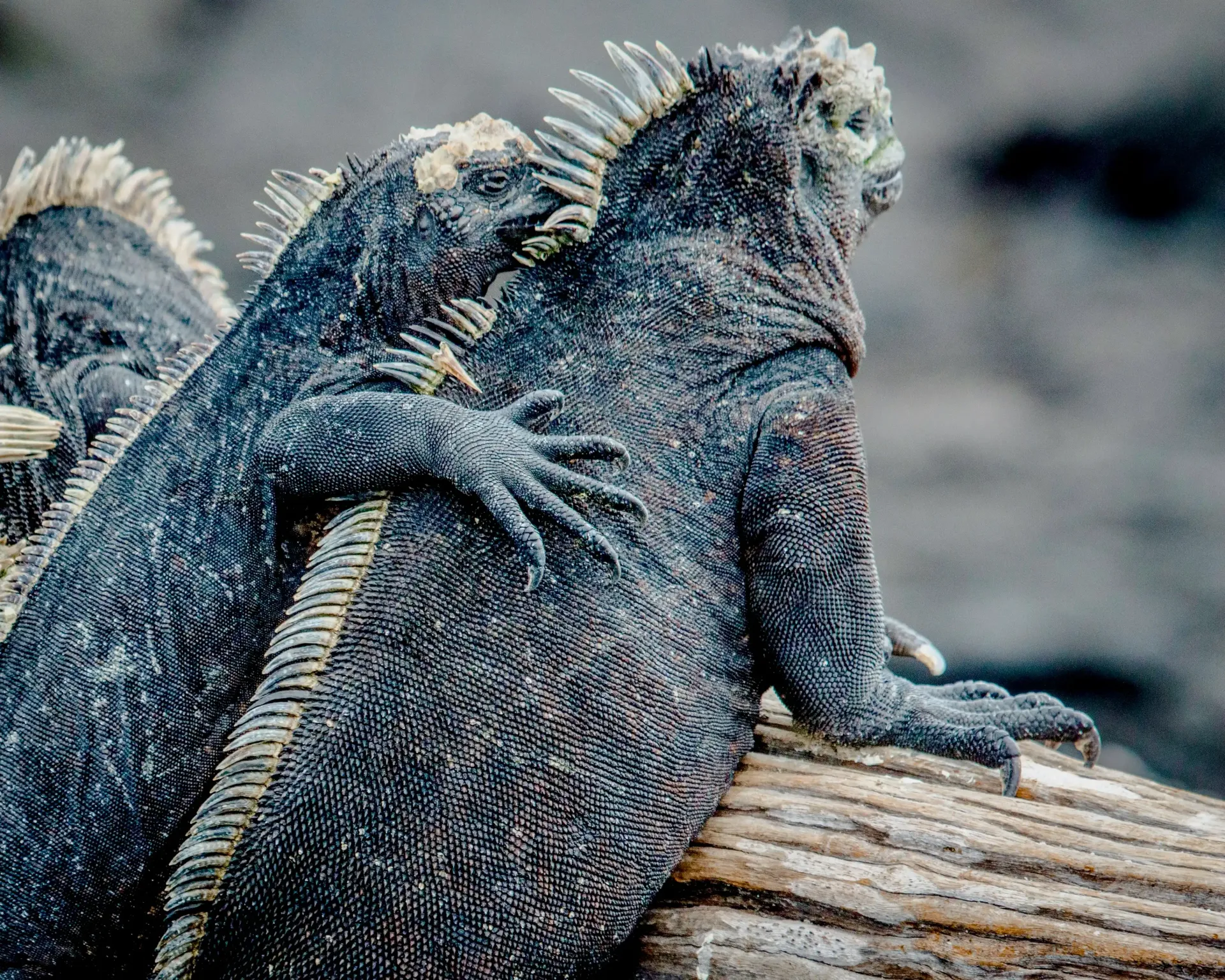
Named for the giant tortoises, this remote archipelago is filled with wildlife and volcanic landscapes, where blue-footed boobies, marine iguanas, and playful sea lions move freely through lava fields and turquoise waters.
Travel here centers on active, guided exploration, whether aboard small expedition ships or from eco-focused lodges. Daily outings include snorkeling, hiking, and wildlife observation led by expert naturalists. Days are structured but never rushed, designed to protect the fragile ecosystem while offering rare, close-up encounters found nowhere else. For travelers drawn to nature, science, and meaningful adventure, the Galápagos delivers an experience that’s as educational as it is unforgettable.
Need to know
Remote and protected, the Galápagos Islands reward travelers who are curious, open to learning, and respectful of the fragile ecosystems.
Currency: Ecuador uses the U.S. dollar (USD). Credit and debit cards are widely accepted in hotels, restaurants, and larger shops, though smaller vendors may require cash. While not mandatory, tipping 10% is customary for guides and crew.
Languages: Spanish is the official language but English is common with naturalist guides and cruise staff. Knowing a few Spanish phrases offers a thoughtful way to connect with locals.
- Key phrases: hola (hello), gracias (thank you), por favor (please), perdón (excuse me/sorry), ¿cómo estás? (how are you?), sí/no ( yes/no), no hablo español (I don’t speak Spanish), ¿hablas inglés? (do you speak English?).
Airports: Seymour Airport (GPS) on Baltra Island and San Cristóbal Airport (SCY) are the two main gateways. Flights only operate from Quito (UIO) and Guayaquil (GYE), with connections to cities like Miami, Madrid, and Buenos Aires. Other flights to Quito connect through Atlanta, Houston, or Mexico City, and Ft. Lauderdale or New York City to Guayaquil.
Transportation: Inter-island connections rely on speedboats or small planes, while local travel often involves taxis, water taxis, and limited public buses. No car rentals are available, but most areas are comfortably navigated on foot or by bicycle. If flying into Seymour Airport, the airport is a short ferry ride to a larger neighboring island with cruise departures and accommodations.
Best time to visit: The Galápagos offers unique experiences year-round.
- Wet season (December–May): Occasional rain showers, warm days, and verdant landscapes make this the perfect time for land-based wildlife spotting.
- Dry season (June–November): Cooler temperatures and nutrient-rich waters are best for snorkeling, diving, and birdwatching, but expect a choppier ocean.
Ideal length of stay: Days start early and are packed with activities, making a week the ideal length for exploring the diverse ecosystems on multiple islands.
Signature dishes and drinks:
- Ceviche Galapagueño: Fresh fish or shrimp marinated in lime juice, onions, and herbs.
- Encebollado: A hearty fish soup featuring albacore tuna, cassava, onions, and cilantro.
- Langostino encocado: Local lobster simmered in a rich, creamy coconut sauce.
- Bolón de berde: Fried plantain balls mixed with cheese or meat, a breakfast favorite.
- Canelazo: A warm, spiced drink combining aguardiente, cinnamon, and fruit juice.
- Fresh fruit juices: Drinks made from locally grown passion fruit, guava, or mango.
- Yuca chicha: A fermented cassava drink, offering a subtly sweet and tangy flavor.
What to wear: The Galápagos see warm days, sea breezes, and microclimates that shift between each island. Lightweight layers and sturdy footwear keep hikes comfortable. Bring swimwear, quick-dry fabrics, and reef-safe sunscreen for water adventures. A waterproof jacket helps with passing showers. Evenings stay casual, so relaxed attire fits right in.
Travel tips:
- Park rules and conservation: Follow strict guidelines for landings, maintain distance from wildlife, clean shoes and clothing between island visits, and stick to marked trails to minimize ecological impact.
- Entrance fees: Additional park fees are often not included in the cost of a cruise or land tour. Confirm in advance and prepare to pay cash on arrival in the islands.
- Flexibility: Early mornings and full-day excursions are standard. Itineraries can shift last-minute for conservation or weather purposes.
- Accessibility: Travel here is active and expedition-focused, with Zodiac transfers, hikes, and snorkeling forming the core of most itineraries.
- Travel insurance: Onboard medical facilities can handle minor concerns, but mainland infrastructure is limited. The islands are isolated if a serious health issue occurs, so get travel insurance with medevac coverage.
- Motion sickness: Expedition cruising means smaller ships with a higher likelihood of motion sickness. Some ships offer dramamine at guest services.
Galápagos Islands
Made up of more than 100 islands, the Galápagos is best explored by small ship. Sailing between islands feels like stepping into a new ecosystem every day, each shaped by its own wildlife and dramatic landscapes.
Santa Cruz is the lively core of the archipelago with the Charles Darwin Research Station and highland reserves where giant tortoises roam freely. The mix of volcanic craters, quiet beaches, and charming port towns anchors many itineraries. Isabela, the largest island, feels rugged and remote with six shield volcanoes, rippling lava fields, and snorkeling spots shared with penguins. San Cristóbal invites travelers to hike wind-carved coastlines, watch sea lions on the beaches, and learn local history in its friendly waterfront community. Floreana adds intrigue with pirate tales, striking viewpoints, and sheltered bays ideal for calm underwater exploration.
Smaller islands such as Bartolomé, Santiago, North Seymour, and Genovesa hold many of the archipelago’s unforgettable moments. Think soaring volcanic peaks, tidal pools, and colonies of frigate birds and blue-footed boobies. These untouched places capture the essence of what makes the Galápagos feel otherworldly.
Adding a night on one of the inhabited islands before or after a cruise offers a closer look into local life and more time with the wildlife that makes this region extraordinary.
Where to stay
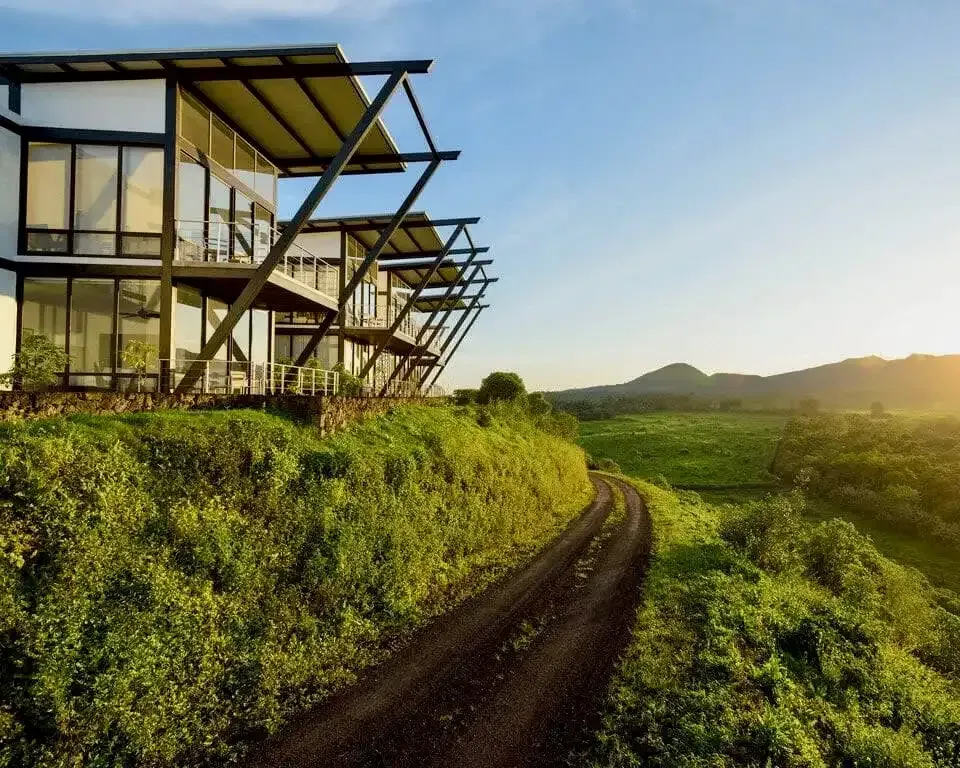
Pikaia Lodge (Santa Cruz): An eco-luxury haven on the rim of an ancient volcanic crater in the misty highlands. Sweeping views, refined minimalism, and exclusive access to private yacht excursions for wildlife encounters make it feel like an ultra-exclusive getaway.
Include a complimentary 60-minute massage per person, daily breakfast, an upgrade, and extended check-in/out whenever possible.
Galapagos Safari Camp (Santa Cruz): A boutique wilderness experience where comfort meets open nature. Luxurious tents, surrounding forests, and roaming tortoises are complemented by farm-to-table dining, guided explorations, and peaceful evenings around the fire.
Hotel Indigo Galapagos by IHG (San Cristóbal): A contemporary coastal hideaway infused with local character. Steps from the waterfront, the hotel pairs sleek design with relaxed island energy, rooftop lounging, fresh seafood dining, and easy access to marine adventures.
Cruising around the Galápagos
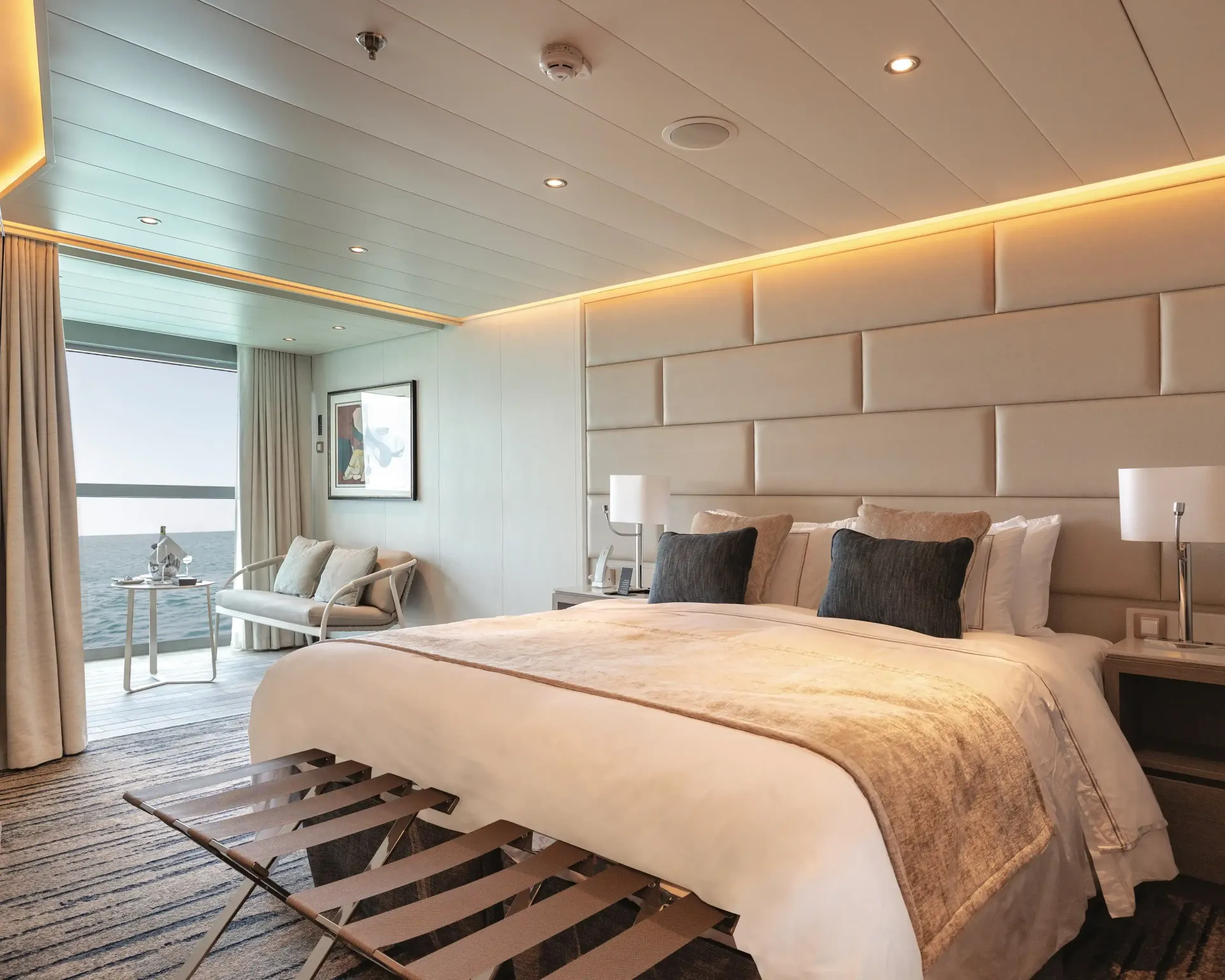
Cruises range from one week for the east or west islands, or two weeks to cover both areas. With varying departure points, confirming which island a cruise leaves from is key. Expect 10–16 days for most land and cruise tours that combine a stay in Quito before or after your cruise.
Popular itineraries
- East islands: A classic introduction to the Galápagos, featuring wildlife-rich shores and iconic volcanic landscapes. Highlights often include Española for the waved albatross and colorful marine iguanas, San Cristóbal for sea lion colonies, and Santa Cruz for giant tortoises and the Charles Darwin Research Station.
- West islands: A more remote, rugged route with dramatic geology and extraordinary marine life. Sail along the towering volcanoes of Isabela, cross the equator near volcanic Fernandina, and witness flightless cormorants, penguins, and lava fields that look almost primordial. Ideal for travelers who love immersive and adventurous excursions.
- Full archipelago: Comprehensive exploration of the entire archipelago, offering a diverse cross-section of flora, fauna, and scenery. Expect encounters with giant tortoises, a deeper appreciation for how each island’s isolation shaped its distinct environment, and a once-in-a-lifetime immersion into Darwin’s living laboratory.
- Land and cruise: A seamless cruisetour pairing days at sea with cultural time on land. Enjoy a few days in Quito discovering its historic center, Andean flavors, and vibrant markets before or after any Galápagos voyage. Perfect for travelers seeking both Ecuadorian culture and the full Galápagos experience in one journey.
Notable cruise lines
Hurtigruten Expeditions (HX): Environmentally forward and expedition-minded, HX sails the Galápagos aboard the intimate MS Santa Cruz II with up to 90 guests. Carbon-neutral with strong local partnerships, HX centers wildlife encounters and community engagement.
- Fora Perks include $100 onboard credit per person.
Aqua Expeditions: Ultra-luxury superyacht experiences that explore biodiverse and culturally rich destinations. Aqua Mare delivers refined comfort, personalized exploration, and Michelin-inspired dining tailored to just 16 guests for a distinctly boutique adventure.
- Fora Perks include an exclusive champagne dining experience onboard.
Celebrity Cruises: Purpose-built for the archipelago, Celebrity Flora offers a modern, stylish, and outward-facing design that centers on the islands. With up to 100 guests on board, the elevated suites and naturalist-led excursions enrich the experience.
Silversea: Silver Origin combines all-suite accommodations with butler service, local cuisine, expert guides, and eight Zodiacs. Its high crew-to-guest ratio and hybrid exploration spaces create a luxe yet educational way to experience the Galápagos.
- Virtuoso Voyages Hosted Benefits available on select sailings.
National Geographic-Lindblad Expeditions: A regional leader with several small ships, including the Galápagos-exclusive 16-guest catamaran, National Geographic Delfina. Expect hands-on exploration and insightful programming.
- Fora Perks include up to $200 onboard credit per stateroom.
Ecoventura: Relais & Châteaux’s three expedition yachts, Ecoventura Origin, Theory, and Evolve, carry just 20 guests in polished comfort. Innovative design reduces travel time between islands for more time spent snorkeling, hiking, and witnessing extraordinary wildlife.
History and culture
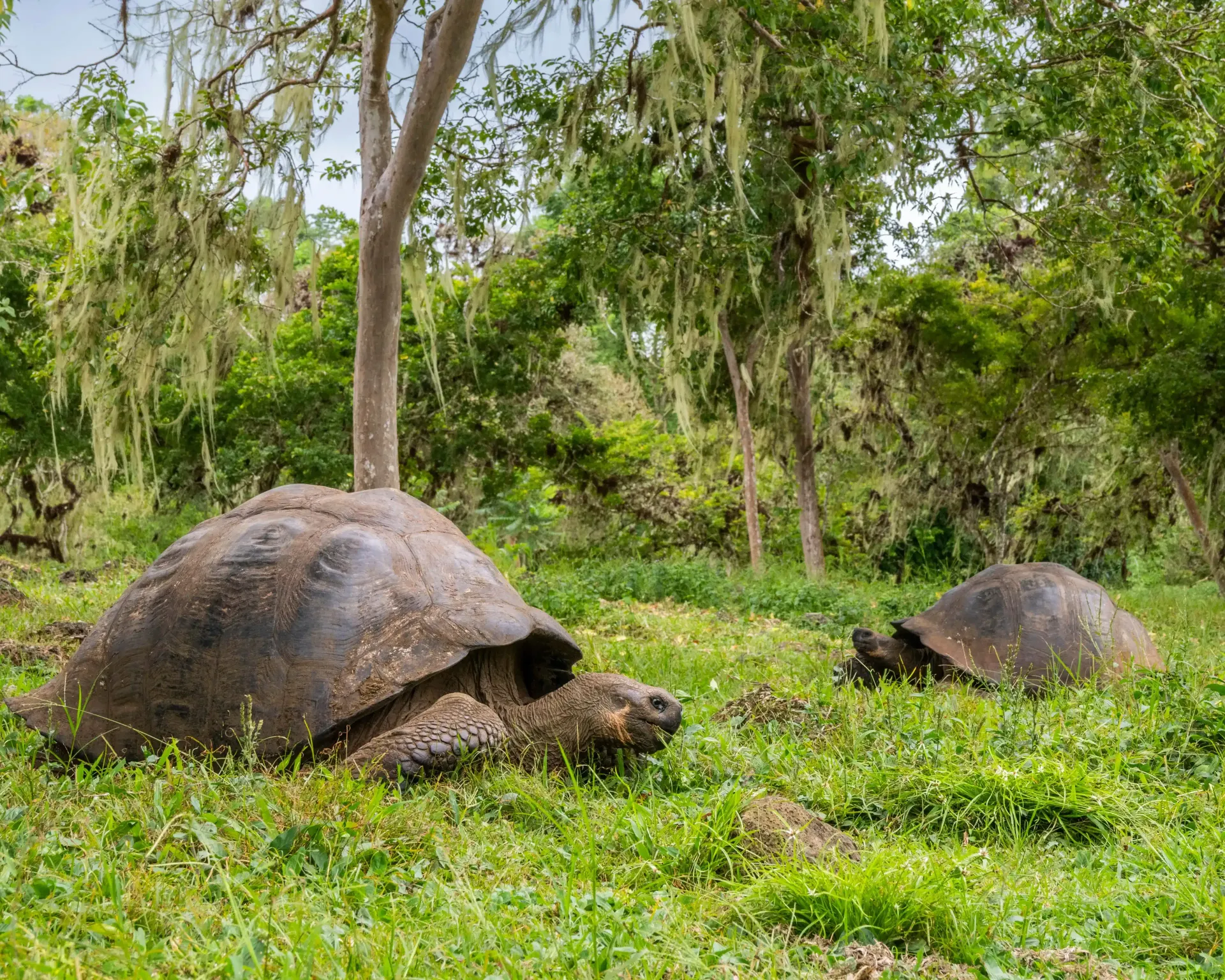
The Galápagos Islands carry a layered history shaped by Indigenous presence, scientific discovery, and a commitment to conservation. Long before the archipelago appeared on European maps, seafaring Indigenous communities along the coast of present-day Ecuador wove them into navigation routes and oral traditions. European sailors arrived in the 16th century, followed by whalers, naturalists, and eventually Charles Darwin in 1835, whose observations of the islands’ wildlife helped inspire his theory of natural selection.
In the 20th century, Ecuador established the Galápagos National Park and later the Galápagos Marine Reserve to protect one of the world’s most fragile ecosystems. Today, travelers encounter sustainable fishing cooperatives, artisan workshops, and cultural centers highlighting this heritage on islands like Santa Cruz and San Cristóbal. Landmarks such as the Charles Darwin Research Station and community-led conservation projects offer thoughtful ways to engage with the islands’ past and present, inviting visitors to experience the Galápagos as both a biological wonder and a living cultural landscape.
Cultural celebrations and events
- Carnaval (February, throughout the Galápagos): A relaxed island take on Ecuador’s pre-Lenten celebration, marked by water games, music, and beach gatherings.
- San Cristóbal festivities (September, San Cristóbal Island): Honoring the islands’ patron saint with boat processions, folkloric dance performances, and local cuisine.
- Galápagos Provincialization Anniversary (February 18, across the islands): Commemorating the islands becoming an official province of Ecuador, with civic ceremonies, cultural performances, and community events.
- Fiestas Patronales/Island Founding Celebrations (various dates by island): Each inhabited island celebrates its founding with parades, traditional food, and live music.
- Conservation and science events (year-round, throughout the Galápagos): Talks, exhibitions, and special programs hosted by the Charles Darwin Research Station and local NGOs highlighting ongoing research and conservation efforts.
What to do in the Galápagos
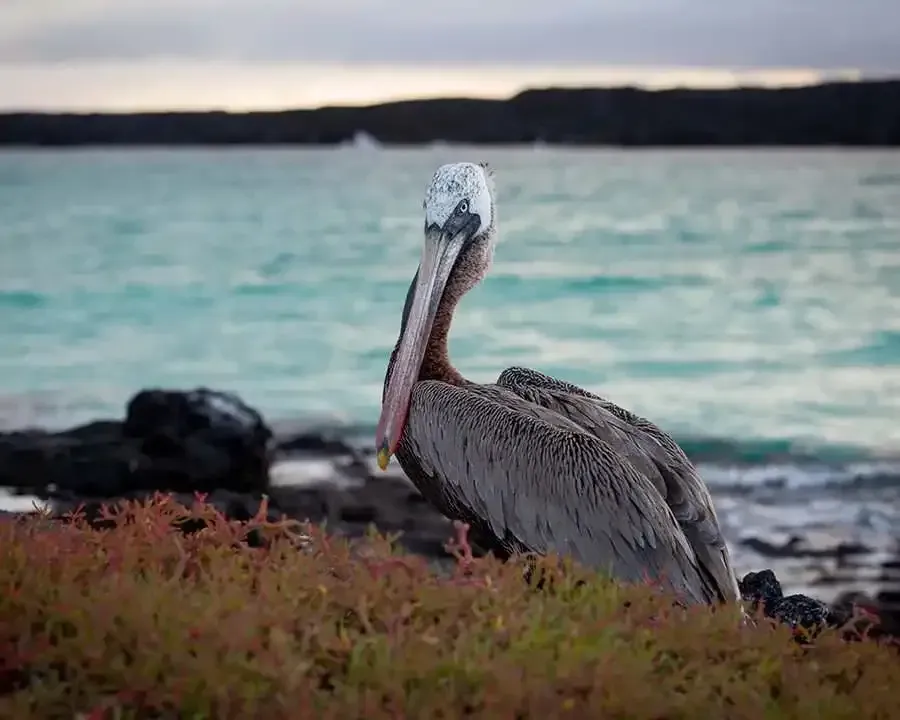
The Galápagos Islands offer a rare blend of wildlife, rugged landscapes, and ocean adventures, all wrapped in an atmosphere that feels both untouched and deeply alive.
- Marine life: Swim with sea lions in coves like Concha de Perla. Dive in deep blue channels at Kicker Rock where hammerhead sharks swim below.
- Giant tortoises: Watch these ancient icons wandering the highlands at El Chato, then learn about hatchlings and conservation work at the Charles Darwin Research Station.
- Birdlife: Spot blue-footed boobies, Darwin’s finches, and, in season, the rare waved albatross on Española or Genovesa’s dramatic cliffs.
- Landscapes: Step ashore on Fernandina for untouched, primordial scenery. Explore Isabela’s volcanic plains, black-sand beaches, and flamingo-filled wetlands.
- Volcanoes: Trek across the colossal crater of Sierra Negra and venture into underground lava tunnels carved by ancient eruptions.
- Paddling: Kayak or paddleboard through calm bays off Fernandina or Santa Cruz for a quiet front-row view of reef fish and resting sea turtles.
- Cycling: Ride along Isabela’s coastal path to the Muro de las Lágrimas, pairing ocean views with a poignant chapter of island history.
- Beaches: Bask on the sweeping white sands of Tortuga Bay or relax among sea lions lounging at San Cristóbal’s Playa Baquerizo.
- Post Office Bay: Drop a handwritten note in a weather-worn barrel on Floreana, continuing a centuries-old tradition of traveler-delivered mail.
- Pirate lore: Wander Santiago’s Buccaneer Cove, once a refuge for sailors and swashbucklers crossing the Pacific.
- Local flavor: Visit the Santa Cruz Fish Market, where fishermen, chefs, pelicans, and sea lions all gather for the day’s catch.
- Sunset sailing: Charter a private yacht to toast golden light over Santa Cruz or Isabela as volcanic silhouettes glow against the horizon.
- Culinary creativity: Join a chef for a hands-on cooking experience, transforming freshly caught seafood and tropical fruits into elegant island cuisine.
Trips to add on
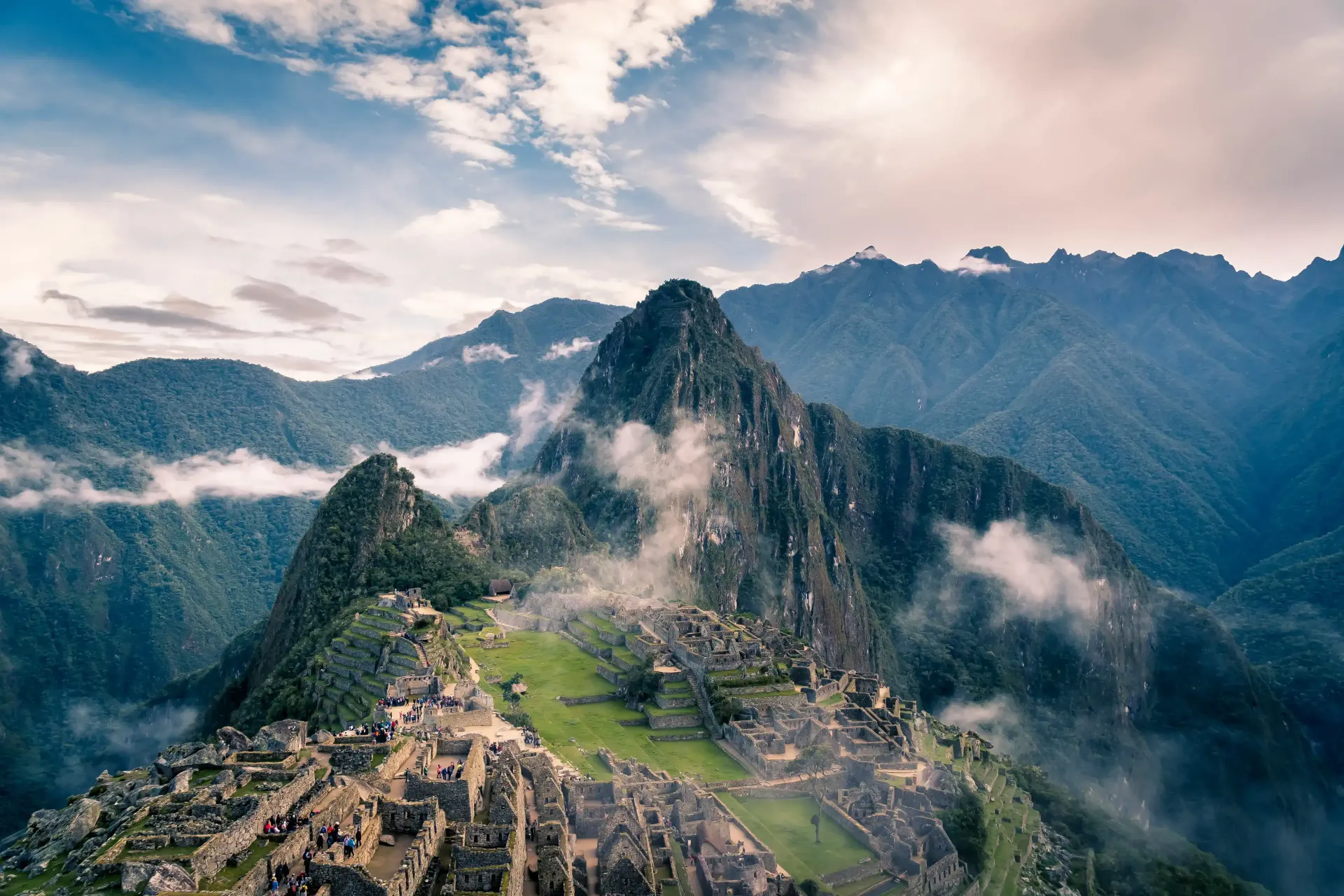
These gateway cities offer rich culture, cuisine, and history, making them ideal stopovers to a Galápagos Islands adventure.
Quito, Ecuador: Shaped by centuries of Indigenous and colonial heritage with a historic UNESCO-listed city center filled with ornate churches and lively plazas.
Guayaquil, Ecuador: A coastal hub pulsing with colorful boardwalks, tropical parks, and a warm, coastal energy.
Ecuadorian Amazon (30–45 minute flight from Quito): An immersive add-on featuring wildlife-rich river excursions, Indigenous cultural experiences, and eco-lodges in the rainforest.
Cuenca (1-hour flight from Quito or Guayaquil): A beautifully preserved colonial city with cobblestone streets, historic churches, and a relaxed café culture.
Mindo Cloud Forest (2-hour drive from Quito): A biodiversity-rich escape with exceptional birdlife, waterfalls, and a refreshing rainforest contrast to the Galápagos’ volcanic landscapes.
Otavalo & Northern Highlands (2-hour drive from Quito): A cultural extension centered on Indigenous markets, Andean villages, and scenic lakes.
Lima or Cusco, Peru (2–3-hour flight from Quito or Guayaquil): Pair Lima’s world-class culinary scene with Cusco, the Sacred Valley, and Machu Picchu for a culture-forward finale.
If not the Galápagos…

These destinations offer wildlife viewing, dramatic landscapes, and immersive adventure for a twist on the spirit of trip to the Galápagos.
Amazon Rainforest: Venture deep into one of the most biodiverse regions on Earth, spanning Ecuador, Colombia, Peru, and beyond. Jungle lodges and river cruises bring encounters with vibrant wildlife and Indigenous-led experiences honor local knowledge and ecosystems.
Antarctica: A starkly beautiful frontier of towering icebergs, penguin colonies, and remote expedition travel. Zodiac landings and scientific talks offer a deeper understanding of this fragile, otherworldly environment.
Svalbard, Norway: A high-Arctic wilderness of glaciers and polar bears, with summer months filled with the midnight sun. Guided adventures explore rugged coastlines, icy fjords, and the region’s polar history for an untouched, remote getaway.
The Kimberley, Australia: A dramatic, secluded landscape of red rock gorges, cascading waterfalls, and ancient cultural heritage in Australia’s northwest. Expedition cruises through secluded bays and adventure lodges tucked into the wilderness make for a unique escape.
From: Fora Travel